
making ethernet a reality
Before there was Wellfleet Communications, the founders had all been at InterLAN, Inc. InterLAN was a pioneering manufacturer of Ethernet controller boards, transport and application software, network device servers, transmission components, and cabling.
In my view, our experiences at InterLAN proved invaluable in the creation and growth of Wellfleet. InterLAN was a key contributor to the adoption, development and success of Ethernet installations around the world. With the exception of Paul, InterLAN was our first startup experience, so by the time Wellfleet was founded, we thought that we understood how to make a startup company successful. That is not to say that we didn’t make mistakes along the way – we made plenty of mistakes. They were, however, different than the ones we made at InterLAN.
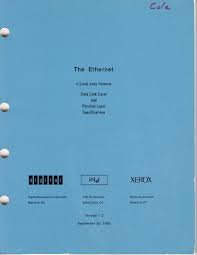
Founded in early 1981, shortly after the publication of the DEC/Intel/Xerox Ethernet specification (the “blue book”), InterLAN delivered the industry’s first Ethernet controllers employing DMA (direct memory access) for connecting several popular computer systems.
InterLAN’s first round of venture funding was a whopping $650,000. The original InterLAN engineering team consisted of five engineers – two hardware, two software, and one diagnostics. We developed five hardware products in roughly 18 months – an Ethernet controller module, a DEC UNIBUS and QBUS interface boards, a Multibus interface board, and a Data General I/O bus interface board. We also developed device drivers for multiple operating systems – DEC’s RSX-11M and RT-11, Data General RDOS, and UNIX.
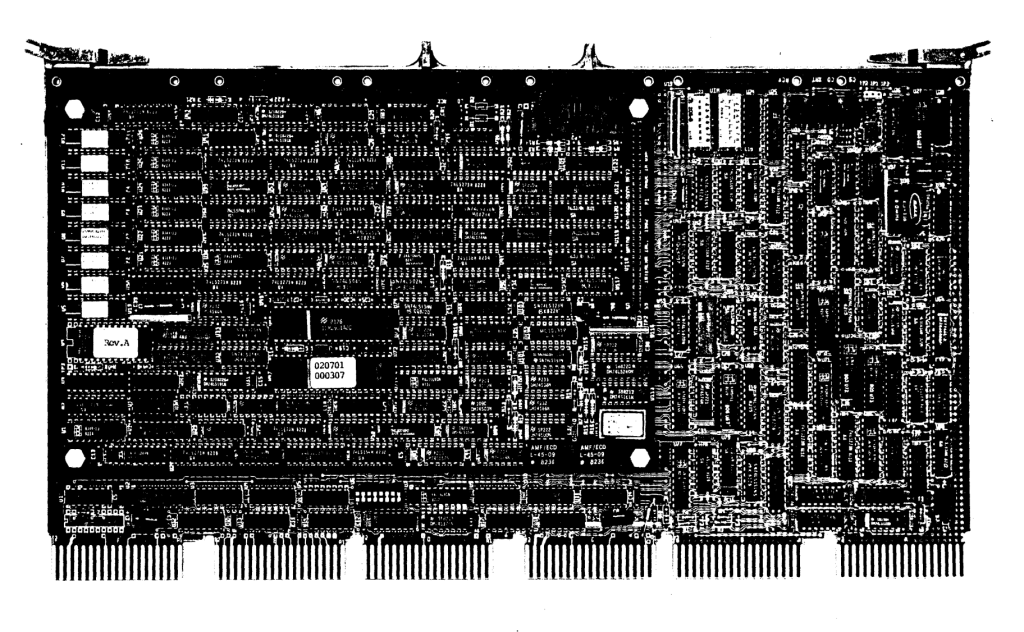
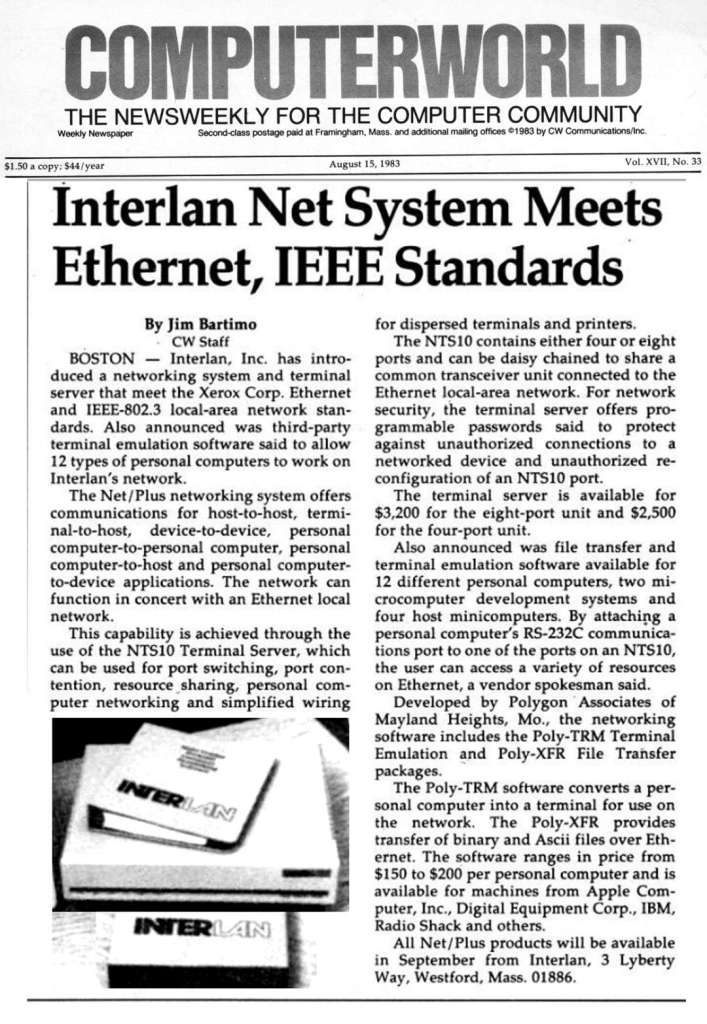
Jon Taylor, an InterLAN founding software engineer, used his COMET kernel in developing a portable version of Xerox XNS network and transport layers that was employed in many follow-on products including the NTS10 terminal server that was developed in 1983. The NTS10 employed an Intel 80186 processor and the 82586 VLSI Ethernet controller which were later used in the second-generation intelligent UNIBUS/QBUS/Multibus controller designs. Their design was intended to off-load the computer system’s main CPU from processing the network’s higher-level protocols, e.g., XNS Sequenced Packet Protocol.
Steve Willis wrote one of the industry’s first software utilities for analyzing Ethernet network traffic, NETMON. He was also a prolific software developer, project leader, and software development director during his time at InterLAN, including a multivendor file transfer utility based on the Xerox XNS protocol stack.
The company also sold an Ethernet transceiver that was developed by Olivetti, along with transceiver cables, Ethernet coaxial cable, terminators, and connectors. The manufacturing operation was staffed by, among others, Chris Oliver and Craig Benson who later went on to start Cabletron Systems in Rochester, New Hampshire, which became one of New Hampshire’s largest employers. After he left Cabletron in 2002, Benson was elected governor of New Hampshire. InterLAN was an eclectic bunch.
It is not a stretch to claim that InterLAN helped make Ethernet a reality in many corporations, universities, and government organizations. We gained a lot of experience in the design and deployment of Ethernets in many parts of the world.
One of the most striking aspects about those early Ethernet installations was that once the network became live, typically three or more higher-level protocols would be observed running over the Ethernet. The open systems nature of Ethernet meant that many vendors’ proprietary protocol stacks would run immediately after the appropriate device drivers were installed on each connected computer. This posed another problem for us and others – what was the best way to connect multiple Ethernets together, in a large building, across a campus, or over a larger distance?
This was a problem that I would ponder for the next two years without a good solution – until that lunch at the Manning Manse.
We all learned a great deal about Ethernet networks – what problems they solved, what problems they created, what customers wanted, what customers didn’t want. We also were at the forefront in the development of a generational advancement in computer networking – the interconnection of Ethernet LANs to form enterprise-based internets. Not the “Internet” as we know it today, but in creating private internets that connected geographically dispersed Ethernets within a large building, around a campus, or across a continent. This was the future of computer communications, and we were helping to make it happen.

 behind the towers
Leave a comment